On Leadership: Influence vs Authority in 2026
Authority CAN dominate attention. Influence DOES determinate sustainability.
Influence vs. Authority in 2026
In the current political context, authority explains who is in charge.
Influence explains why others follow.
Authority comes from position.
Influence comes from trust, consistency, and judgment under pressure.
At times, authority can command attention and even dominate the narrative. But influence determines whether that narrative converts into alignment, durability, and collective action.
In global decision-making, influence outperforms hierarchy when systems are strained and legitimacy is contested, not because authority disappears, but because compliance alone no longer holds complex systems together.
That distinction matters more than ever.
For 27 years, Nelson Mandela held no formal authority. He was imprisoned, stripped of office, and silenced institutionally.
Yet in the final years of apartheid, the South African government negotiated with him, not because he had power, but because he had moral legitimacy and influence across factions: activists, international leaders, and even adversaries.
Authority followed influence and not the other way around.
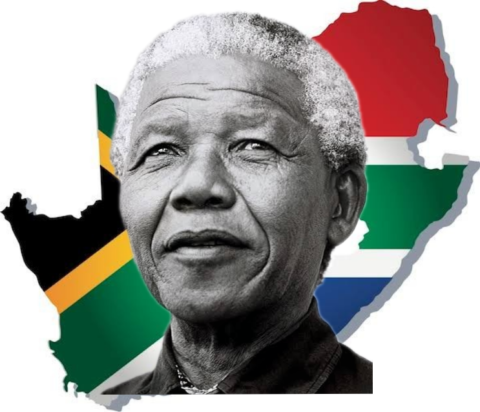
image source
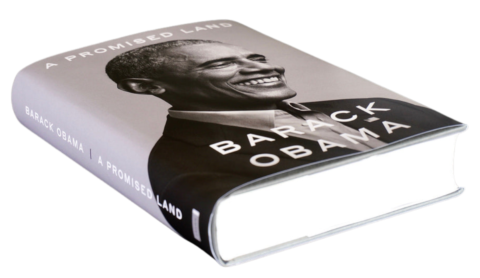
In A Promised Land, Barack Obama reflects on moments where holding the highest formal authority in the world did not guarantee alignment, whether with Congress, allies, or even his own administration. Persuasion, coalition-building, and narrative framing mattered more than executive power, particularly in periods of polarization.
History suggests a consistent pattern: authority can impose direction; influence determines whether systems move together or fracture under pressure.
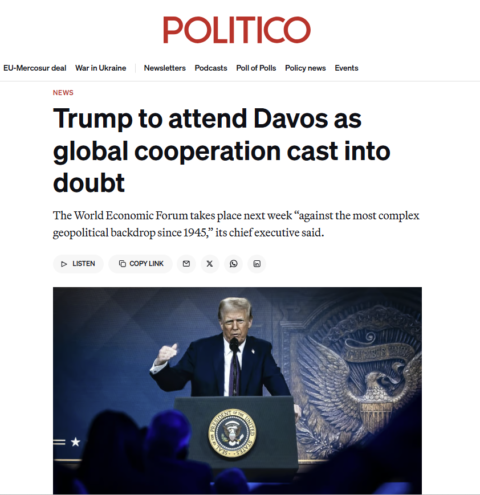
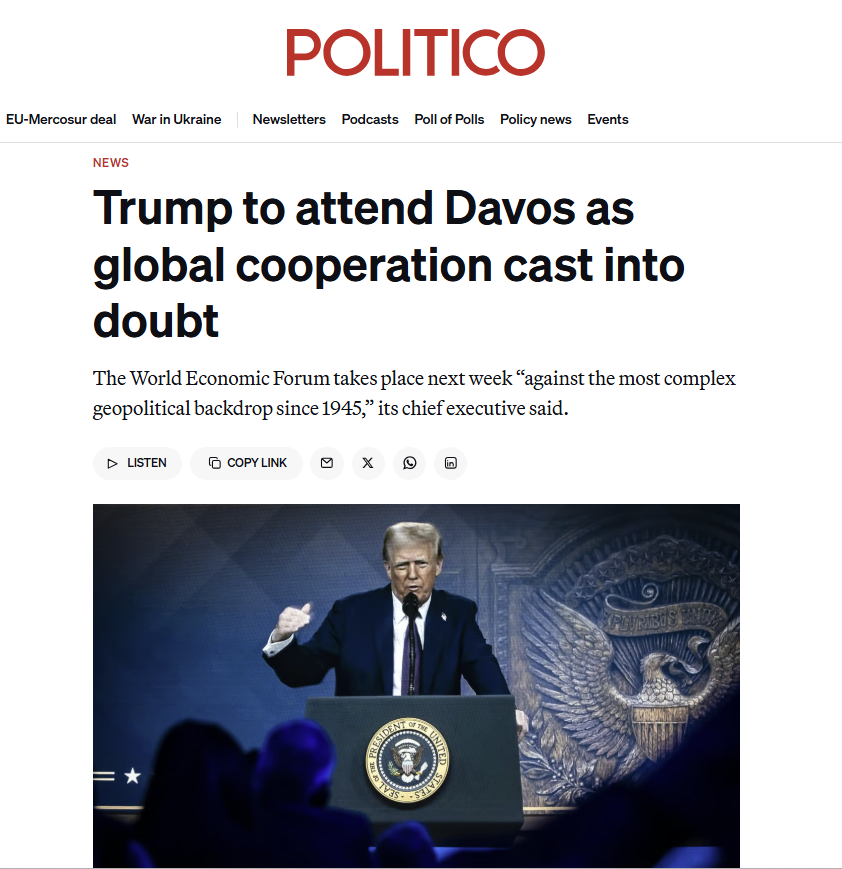
Donald Trump is expected to attend World Economic Forum Davos 2026. It will be interesting to observe the outcome of his Davos positioning in 2026, especially considering the global context (Venezuela, Iran, Greenland, Canada, Ukraine), especially when viewed alongside his tone and messaging in 2025, especially considering JD Vance’s remarks at the Munich Security Conference in February 2025, which was a moment that truly showed how strength does not automatically translate into durable alignment across allies, institutions, and systems (nor was it intended to).
—
In 2026, the question is no longer whether authority matters, it obviously does. The question is what kind of authority (the world) endures. As global leaders, institutions, and markets move into yet another period of major uncertainty, the distinction between authority and influence matters most. What world will collapse under its own weight? What world will survive?